6 Minute Test to Determine Current Paces


Determining Starting Point/Fitness Checks
One of the biggest challenges of starting a training plan can be getting the paces right from the start. In the past, we have always discussed using previous race results and then race equivalency calculators. These can be useful when you have just come off a training segment and have accurate information. However, what if we don’t have recent information? Or, what if we are new to a distance and aren’t sure where we were two months ago is the same pace we are capable of now?
I’ll give you an example. Let’s take a person who just ran CIM in the first part of December. They ran the race, ran well, and are pretty pumped. Now, they take their downtime and start getting ready for an April marathon (or any race segment). They have great data to base their next training paces off from. Now, let’s counter that with a scenario I see quite a bit with athletes. Let’s say they ran Chicago, in the first half of October. They took their downtime and eased back into running. There’s not much to train for during the last couple of months of the year, but will need to start training around the first of the year for their next big race segment. So, they just slip into a base-building period and navigate the holiday season. Just enjoy the sport of running. There’s nothing wrong with this- I encourage it often. However, when they start training again, does it make sense to use the same paces right away to start the segment that they used when in peak form during September and October? Probably not.
That is why I am really changing my train of thought from using simply goal pace on workouts to current pace. I really have become a believer in allowing the transition of paces over the course of longer segments. I believe that it will help athletes avoid some fatigue issues from setting in too early in the training. However, that’s another discussion. What I want to really discuss is what can we use to see where we are at right now and then how can we decide on moving into a faster pace as we progress several weeks into a segment.
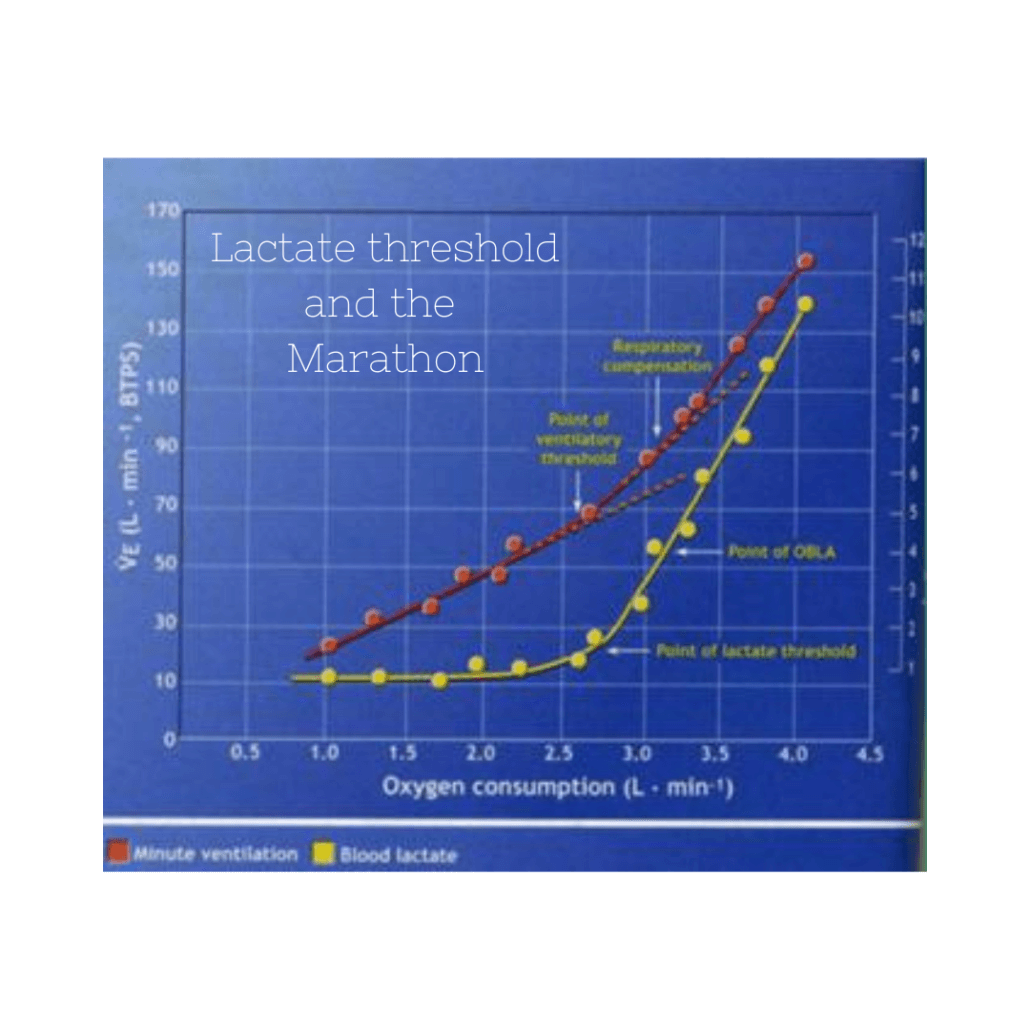
So what I am starting to utilize is a 6 minute test. You may have heard of it and there are a few out there like the 12 and 15 minute test, but where I have settled is the 6 minute test. The 6 minute test is something that would work well for any of my athletes in a wide variety of circumstances. Another reason I like this test too is that we are looking at how fast you are running at VO2max, not just what your VO2max is. You’ll get to a certain point in your running that VO2 itself isn’t as important as what you can run at those numbers.
Alright, so this test is pretty much how it sounds, but let’s itemize what we need to do.
- I am writing this with the assumption that we are trying to narrow down starting paces for a training segment.
- I like this test in replacement of a speed workout. So, using the HMM as a reference, your first speed workout would be perfect for this to do instead of something like 400’s.
- Workout itself:
- I would use a track for this. It’s going to give you the best numbers and easy to track distance. If you use your GPS, turn your track feature on. Don’t just use regular GPS.
- Warm up as you would for any other workout
- Easy warm up, dynamic warm up, drills
- Do some strides- 4×50-60 meters I feel is fine. I’ve seen some coaches recommend 300’s for athletes. For most of my athletes, I think that’d be a bit much. All we are looking to do is be ready to run the 6:00 as fast as we can.
- Start your run, although we want to go as far and as fast as possible in 6:00, we don’t want to go out so hard that we can’t even make it the full time, either. Pace yourself! This is where being on the track is good. You can check your splits every 200 meters and gauge your effort. Ideally, you stay pretty steady with a little kick over the last 30-40 seconds. As much as we don’t want to hit the wall four minutes in, we don’t want to be in a position where we are unleashing the fury from 400 meters out, either!
- At the end of 6 minutes, stop the watch and do your cooldown. If you didn’t use your GPS, make sure you record how far you went over that 6 minutes. You’ll need this later on.
Using the data.
I think most of you will have some sort of GPS that will give you the pace per mile for the 6 minutes run. Let’s just say for 6 minutes you covered one mile exactly. So your pace per mile would be 6:00 per mile and this would essentially be used as your VO2max pace.
Here’s how we use this info to determine our training paces. First, we assume that a person can run a race at a percentage of their VO2max.
A breakdown will look something like this:
Marathon: 78-83% of VO2max
½ Marathon 83-88%
10 km: 85-88%
5 km: 88-92%
3 km: 92-95%
1 mile: 95-100%
Now, you will see some percentages higher than that. I believe the USATF is higher across the board, but that data appears to be very high-level athletes. These percentages still encompass the vast majority of you.
So, in our example let’s use the current marathon pace.
We’d take our 360 (that’s 60 seconds x 6 minutes) and divide by 0.8. 360×0.8 = 450 seconds.
Next, convert back to minutes per mile, so 450 divided by 60 = 7.5 or 7:30 minutes per mile. This would be our current marathon pace. This is the pace you could use for your current marathon pace for workouts. You could do similar calculations to figure out speed, strength, etc.
How often do I test?
Knowing that it takes 4-6 weeks to adapt to a training stimulus, I would use that as my guidelines. If you are early in a segment and know you will progress quickly, then throw one in after four weeks and retest. If you are back to a point where the gainz will be harder to come by, spread that out to 6 weeks before retesting.
For the marathon and half marathon, I think people can trick themselves a little bit. I think sometimes things can be going really well and they want to just keep pushing the envelope so I want to put some limiters on this. I feel like once you are down to the last 8 weeks, or so, of a half or marathon plan then you should be locked in. By the time you reach the race-specific portion (start the strength) you should be locked in. No finishing with it after this. I’d rather be a little undercooked than overcooked at this point.
Ok, so at the end of the day, it’s not perfect. It might take a try or two to get it down. However, it’s an easy solution to see if you are on track without heavy modification to the rest of your training week.
How to use this calculator:
- All you need to do is enter how far you ran for your 6 minute test in mile. So, 1 mile, 0.87, 1.13, etc. This is where having the GPS will make it easy.
- Use the low and high guide with caution. What I mean is, if you’ve been doing mostly speed work and are fairly low mileage (compared to what you will be later on), then using the low end of the range is probably in your best interest. On the other hand, if you are doing the test after increasing volume and working through some longer things, then you may be on the faster end of the range. Just use discernment.
- This isn’t perfect, but it can give you an idea of where you are currently at in your training and this may help bridge the gap as you try to work your current pace down to your goal pace.
If you find these posts useful, then I’d love to introduce you to Team LHR. Get our plans, our premium content, and access to our coaches! It’s the best thing next to having your own personal coach!