

A PROVEN METHOD OF TRAINING!
Your best running is right now. Sign up today to join our amazing Community, Forums, Groups and Professional Designed Courses to get you RUNNING to your BEST!










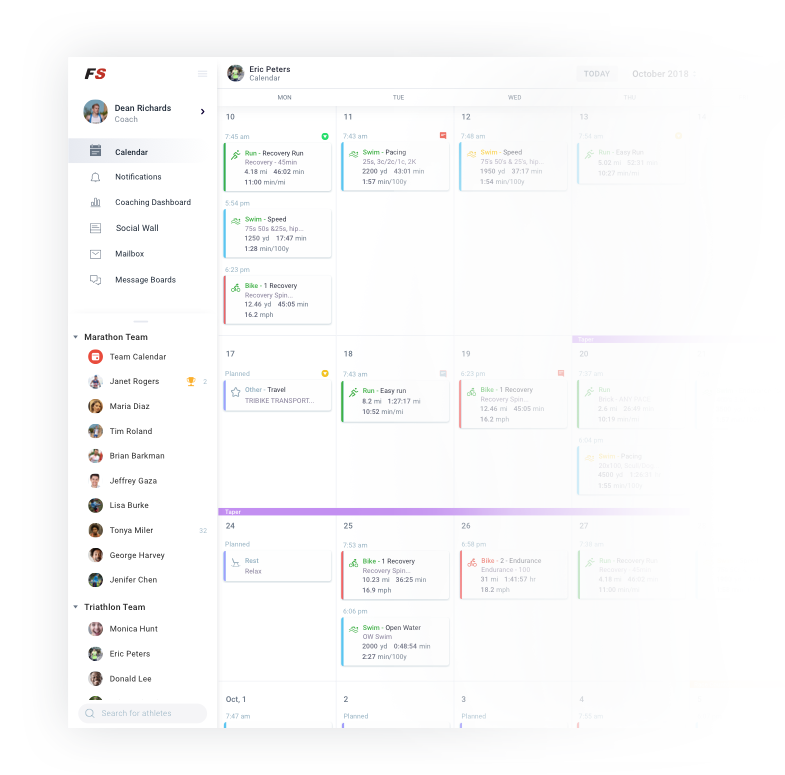


After having a baby in October, I knew I needed some outside help to get back into racing shape. With high hopes for a sub three hour marathon, I decided to try out the Hanson’s Coaching Service. Working with my coach, Melissa, has helped me train smarter and run harder. After only four weeks of following a training plan that is tailored specifically to my needs, I set my 5k PR! With Melissa’s guidance and the individualized plan she has created for me, I expect to set another PR at the Run for the Red Marathon on May 18.

I am a 53-year-old life-long average marathoner, Coach Melissa on the Hansons squad has been tremendous to work with and she has helped me to step up my running. Because of Melissa’s training and positive encouragement I’ve set recent PR’s in the marathon and won age divisions in the 5k. Anyone interested in turning up their training in a positive environment should take a look at the Hansons team.

There are countless books, webpages, and blogs that have plans that claim to get you ready for a marathon, and claim to get you faster, I never found these to be adequate for me. With HCS not, only was I able to get a plan that met my needs and budget, but I had access to my coach for modifications, suggestions and encouragement.vI wanted to get to the next level. Little did I know that the HCS would get me beyond the next level; every race this season I have had a PR and I am now placing in my age group; something that I never dreamed of.

I came on board with Hanson’s Coaching Services over two years ago. A friend of mine forwarded me an article on the Hanson’s marathon method and immediately started looking into it. Luke continues to take my running ability to the next level with PRs at several distances time and time again. Besides getting stronger and faster, Luke has accomplished this all while keeping me injury free. Over two years in the works and no injuries, that says a lot about Luke Humphrey Running.

I tried running plans that guaranteed you would run faster if you cross trained and rested more between hard workouts. Luke Humphrey understands that running 6 days a week (with precise workouts) yields far better results than these “run less” plans. I’ve done 2 rounds of the advanced method, got my BQ and had zero injuries along the way. I highly recommend LHR running.

Great philosophy, based on many years of experience and sound understanding of what it takes and requires to be a marathon runner